Iron Foundation: The Science and Sweat Behind Renzan's Unbreakable Athletes
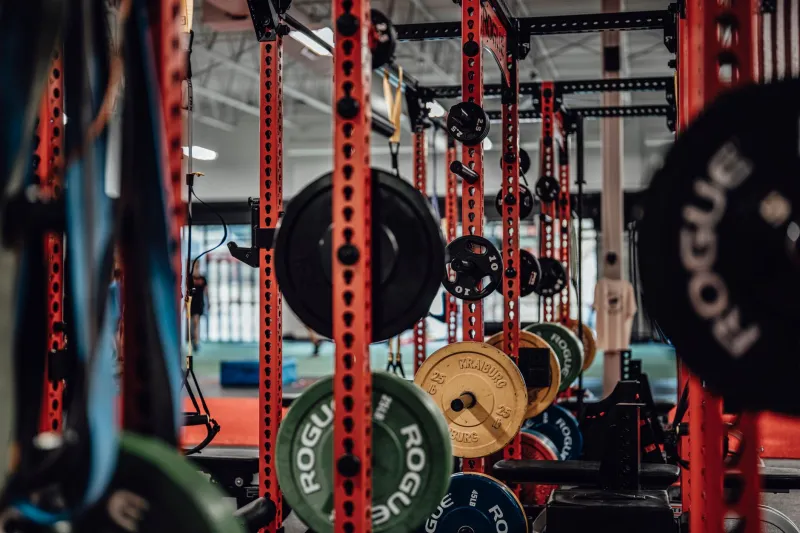
There's a phrase that gets tossed around a lot in sports: "availability is the best ability." Easy to say. Incredibly hard to actually build. At Renzan, that idea isn't just a motivational poster on the wall — it's the entire operating philosophy of a strength and conditioning program that's quietly become one of the most respected in the country.
We sat down with members of the Renzan performance staff, medical team, and a handful of athletes who've lived through the program firsthand. What they described isn't magic. It's methodology — and it's working.
The Philosophy That Drives Everything
Head strength and conditioning coach Marcus Delray has been with the Renzan program for going on seven years, and he's quick to push back on the idea that bigger, harder workouts are always better.
"The goal was never to see how much we could put our athletes through," Delray explains. "The goal is to make sure they're performing at their peak in March, not just in October. That changes everything about how you build a program."
That long-view mindset shapes every decision the staff makes, from how they periodize training blocks across the calendar to how aggressively they push athletes back from minor injuries. The program runs on what Delray calls a "readiness-first" model — meaning training load is adjusted based on how recovered each individual athlete actually is, rather than following a rigid universal schedule.
"Two athletes can do the exact same workout on paper and have completely different physiological responses," he says. "We had to stop treating the roster like a single organism."
Load Management That Actually Makes Sense
One of the more visible innovations at Renzan is the integration of wearable monitoring technology into daily practice. Athletes wear devices that track heart rate variability, sleep quality, and exertion levels — data that gets reviewed by the performance staff every single morning.
It sounds like something out of a pro sports documentary, but the practical application is pretty straightforward: if an athlete's recovery metrics are in the red, they're not going full throttle that day. Period.
Senior athletic trainer Priya Nambiar says this data-driven approach has dramatically reduced the soft-tissue injury rate over the past three seasons.
"We used to see a spike in hamstring and groin strains around weeks five and six of the season — that classic fatigue window," Nambiar says. "Now we can anticipate that window and modulate training load before the body starts breaking down. We're not reacting to injuries anymore. We're preventing them."
The numbers back her up. According to internal program data, Renzan has seen a significant drop in non-contact soft-tissue injuries since implementing the monitoring system, and average games missed per player due to injury has trended downward for three consecutive seasons.
Recovery Isn't Optional — It's Programmed
If you ask any Renzan athlete what surprised them most when they joined the program, most of them will tell you it wasn't the workouts. It was how seriously the staff takes recovery.
"I came in thinking rest days were just days you didn't do much," says one veteran forward who's been with the team for four seasons. "Here, your recovery day has a structure. You're doing contrast therapy, you're doing mobility work, you're in the pool. It's almost as intentional as a practice day."
The facility's recovery suite includes cold plunge tanks, infrared sauna access, and a hydrotherapy pool — tools that weren't always standard issue at programs competing at Renzan's level. But beyond the hardware, what really sets the program apart is the educational component.
Delray and his staff spend meaningful time teaching athletes why recovery works the way it does — the physiology of muscle repair, the role of sleep in hormonal regulation, the way nutrition timing affects adaptation. The goal is to build athletes who understand their own bodies well enough to make smart decisions even when the coaching staff isn't watching.
"We want them to be their own best performance coaches eventually," Delray says. "That only happens if they understand the science, not just the schedule."
Building Durability From Day One
The Renzan strength program isn't built around highlight-reel lifts. You're not going to see anyone chasing max squat numbers just to post them online. The emphasis is on what the staff calls "functional resilience" — building the connective tissue strength, joint stability, and movement quality that keep athletes intact when the game gets physical.
For younger athletes entering the program, the first several months are almost entirely foundational. Mobility assessments, movement pattern corrections, single-leg stability work. It can feel slow to players who want to be throwing plates around immediately.
"We had one kid come in as a freshman who had never done a proper hip hinge in his life," Nambiar recalls with a laugh. "He was frustrated the first month because we kept pulling him back to basics. By his sophomore year, he hadn't missed a single game. He got it."
That patience pays off in a sport environment where the athletes who last four years healthy are the ones who build real legacies — and the ones who flame out early are often those who skipped the foundation.
The Edge That Compounds Over Time
What makes the Renzan program genuinely different isn't any single piece of equipment or any one technique. It's the compounding effect of doing everything with intention, consistently, over years.
Athletes who go through the full program don't just finish seasons healthy. They finish them better than they started — faster, stronger, more resilient than they were in week one. That's not an accident. It's the product of a system that treats the human body as something to be developed carefully, not just pushed past its limits.
For the athletes who trust the process, the results speak for themselves. And for the program as a whole, durability has become one of the most powerful competitive advantages Renzan has — one that never shows up in a box score but shows up in every single game that matters.