Built From the Ground Up: The Renzan Blueprint That Turns Overlooked Prospects Into Starters
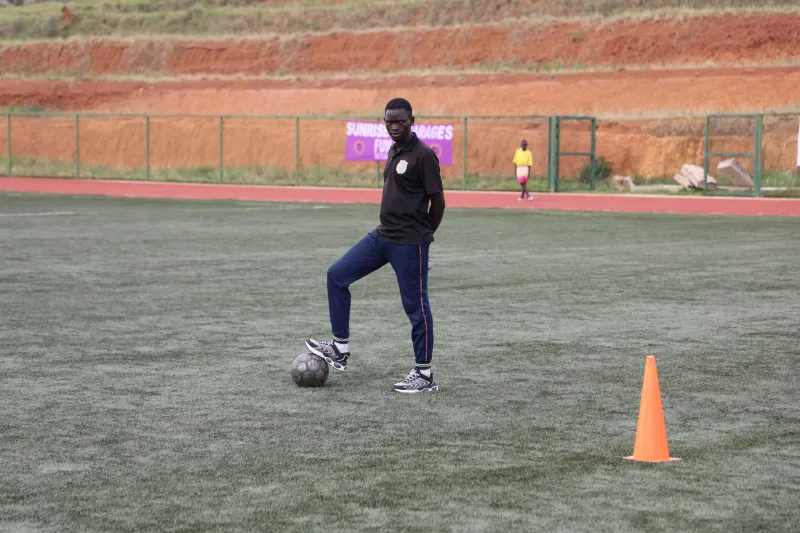
There's a moment every Renzan coaching staff member talks about — the one where a prospect stops looking like a project and starts looking like a player. It doesn't happen overnight. It doesn't happen by accident. And according to the people running the program, it definitely doesn't happen anywhere else quite like it does here.
Team Renzan has quietly built one of the most respected development pipelines in the game. While flashier organizations chase blue-chip recruits and marquee signings, Renzan has doubled down on something harder to market but far more sustainable: the grind of turning raw talent into genuine contributors.
The First Filter: What Renzan Sees That Others Miss
The process starts before anyone ever sets foot in the facility. When the coaching staff reviews tryout footage, they're not just watching highlight reels. They're watching habits.
"Anyone can look good in a clip," says one of Renzan's development coaches. "We're watching for coachability signals — how a kid reacts after a mistake, whether they're communicating with teammates, if they're playing within a system or just freelancing. That stuff tells you more than any stat line."
This philosophy has consistently led Renzan to athletes that bigger-name programs passed on. The players who get overlooked at combines and showcases because their numbers aren't eye-popping, but whose film shows someone quietly doing the right things at the right times. That's the Renzan prospect. And once they're identified, the real work begins.
Strength, Conditioning, and the Science Behind the Sweat
When a new athlete walks into the Renzan training facility for the first time, they go through what the staff calls an "athletic audit" — a comprehensive physical assessment that maps out not just where they are, but where the ceiling might be.
The strength and conditioning program is built around individualized loading, meaning no two athletes are on the exact same track. One player might need explosive hip-hinge development to unlock their athleticism. Another might be carrying movement compensations from an old injury that's been quietly limiting their ceiling for years. The Renzan S&C staff identifies those gaps fast and attacks them systematically.
Take Marcus Ellery, a wing who came to Renzan after being cut from two other programs. At his first assessment, he tested below average in lateral quickness and upper-body power — two things that had quietly been getting him dismissed in tryouts. Eight months into the Renzan program, those numbers had flipped. More importantly, his on-field performance reflected it in ways that showed up on tape.
"I didn't even know those were my weaknesses," Ellery said. "I just thought I wasn't fast enough. Turns out I had the speed — I just wasn't using it right."
Mentorship That Goes Beyond the Whiteboard
Physical development only gets you so far. The piece that Renzan has invested in heavily — and that rarely gets the attention it deserves — is the mentorship structure woven into the program.
Every incoming prospect is paired with a veteran on the roster through a formal mentorship program. The pairing isn't random. Coaches spend real time matching personalities and positions, looking for combinations where the veteran's specific journey can speak directly to where the younger player is headed.
Jordan Tice, a three-year Renzan contributor who came up through the development system himself, now mentors two younger players on the roster. He's candid about what he wish he'd had earlier in his career.
"When I was coming up, I was figuring it out alone," Tice said. "I'd be in my head after a bad practice, not knowing if I was on the right track. Having someone who's been through it, who can tell you 'yeah, that feeling is normal, here's how I handled it' — that changes everything."
The mentorship extends into film study sessions, where veterans walk younger players through game situations not just tactically, but contextually. Why does the defense shift in certain situations? What are the unwritten reads that don't show up in a playbook? That institutional knowledge gets passed down deliberately, not left to chance.
Following the Arc: From Day One to Game Day
Sophia Reyes arrived at Renzan with a reputation as a raw, high-ceiling athlete who hadn't found a home. She was physical, competitive, and talented — but inconsistent in ways that frustrated previous coaches.
Her first six months in the Renzan system were, by her own admission, humbling. The program exposed habits she didn't know she had. Her conditioning base was shakier than her physical presence suggested. Her decision-making under pressure was reactive rather than trained.
But the staff didn't panic, and more importantly, they didn't hide those findings from her. Transparency is a core part of the Renzan development philosophy — athletes are given full access to their own data and assessments, which creates ownership over the process.
By month nine, Reyes was starting to look like the player the Renzan staff had seen in her original tryout tape. By month fourteen, she was starting.
"The biggest thing was that they never made me feel like a project," she said. "They made me feel like a plan."
Why the System Works — and Why It's Hard to Copy
What makes Renzan's development model difficult to replicate isn't any single piece of it. Plenty of programs have good S&C coaches. Plenty have mentorship initiatives. The difference is integration — the way every element of the system talks to every other element.
The strength coach knows what the position coach is working on. The position coach knows what the mental performance staff is addressing. The mentors are looped into the athlete's development notes. Nothing happens in a silo.
That kind of coordination requires trust, communication, and a front office that values long-term development over short-term roster moves. Renzan has built that culture deliberately over years, and it shows in the results.
Champions aren't found. They're built. And at Renzan, the blueprint is working.