Chalk Talk: Breaking Down the In-Game Adjustments That Flipped Renzan's Biggest Wins
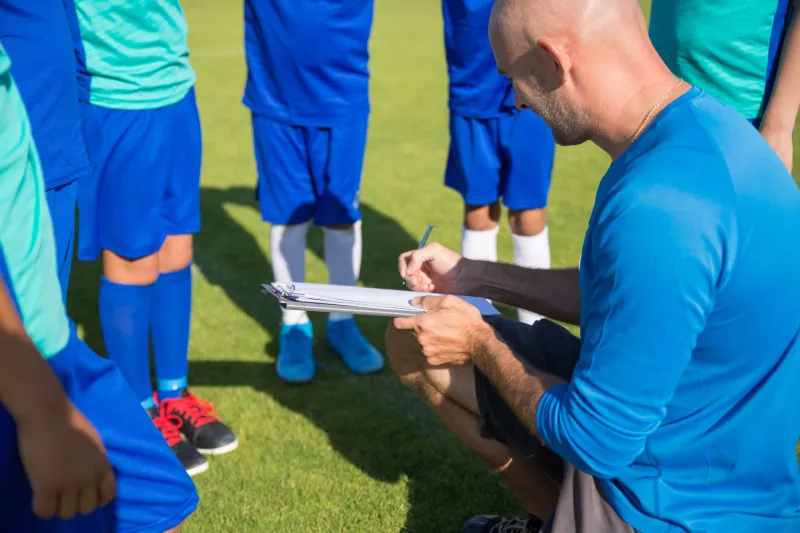
Championships aren't just won on talent — they're won on the sideline, in the film room, and in the 30-second windows when coaches make the calls that change everything. Here's a frame-by-frame look at the tactical decisions that defined Renzan's most critical victories this season.
For casual fans, big wins feel like momentum. For coaches and players, they're the product of preparation, adaptation, and split-second problem solving. This season, Renzan delivered several performances that looked dominant on the scoreboard but were actually much closer calls than the final numbers suggested. What happened in between? Let's get into it.
Game 1: The Defensive Rotation That Shut Down a Historic Offense
Heading into the matchup against their top conference rival, Renzan's defensive unit faced a real problem: the opposing offense had torched every zone look it had seen all season. Their spacing was elite. Their ball movement was faster than most teams could track.
Renzan's answer came at halftime — and it wasn't subtle.
The staff scrapped their original defensive scheme and shifted to a modified man-under-pressure look, essentially daring the opponent's perimeter shooters to beat them off the dribble rather than catch-and-shoot. The logic: their opponent's best scorers were rhythm shooters. Take away the rhythm, take away the threat.
The adjustment worked. The opposing offense, which had averaged over 70 points per game entering the night, managed just 29 in the second half. The key wasn't athleticism — it was positioning. Renzan's defenders were instructed to trail by half a step on cuts, forcing slower catch sequences and eliminating the clean look opportunities their shooters thrived on.
"We knew they'd still get some shots," said one assistant coach. "We just wanted to make every single one feel uncomfortable. That changes a shooter's rhythm more than any double team."
Game 2: The Offensive Line Call That Nobody Saw Coming
Down by seven late in the third quarter of their toughest road game of the season, Renzan's offensive staff made a personnel decision that raised eyebrows in the press box: they pulled their most experienced skill player and inserted a younger, faster option who hadn't logged meaningful time in weeks.
On paper, it looked like panic. In practice, it was calculated disruption.
The younger player's speed forced the defense to adjust its coverage shell — and that adjustment created the exact seam Renzan's play-callers had been waiting for all game. On the very next possession, a counter run off a designed misdirection play went for 19 yards and changed the field position dynamic completely.
The broader point: Renzan's coaching staff had been watching the opposing defense's tendencies for three quarters. They knew the adjustment was coming. They just needed the right personnel to trigger it.
"That's what the film room is for," said a veteran on the offensive side. "By the time you're in the fourth quarter, you should know exactly what they're going to do. The question is whether you have the guts to make the call."
Game 3: The Timeout That Changed Everything
In what might have been the most psychologically important moment of Renzan's season, a well-timed timeout in the final two minutes of a one-possession game did more than just stop the clock.
With momentum clearly swinging toward the opponent — two straight turnovers, a crowd growing louder, energy visibly shifting — Renzan's head coach called time immediately after the second turnover. Not when the rules required it. Not to draw up a play. To reset the room.
The message delivered in that timeout wasn't about X's and O's. It was about breathing. About memory. About trusting the preparation that had built to that exact moment.
"Coach didn't yell," recalled a player on the floor during that sequence. "He was almost quiet. He just reminded us of a drill we'd done a hundred times in practice. Said, 'You've been here before.' That was it. We went back out and closed it."
Renzan scored on the next possession and held defensively to seal the win. The timeout itself was three minutes long. The effect lasted the rest of the game.
The Pattern Behind the Adjustments
Look across these three moments — and others like them throughout the season — and a consistent pattern emerges. Renzan's coaching staff doesn't react emotionally to adversity. They respond with information.
Every adjustment traces back to preparation. The defensive rotation in Game 1 had been practiced as a contingency. The personnel swap in Game 2 had been discussed in the film room two days earlier. The calm in that Game 3 timeout was the product of a team culture that had been deliberately built to handle pressure without fracturing.
That's not luck. That's system.
What Fans See vs. What's Actually Happening
From the stands, a comeback looks like heart. A defensive stop looks like effort. A late-game score looks like clutch. And those things are real — the effort and heart are genuine.
But underneath every one of those moments is a layer of tactical intelligence that most fans never see. The pre-snap read that identified the right play. The coverage adjustment that took away the easy look. The substitution that changed the matchup before the opponent even noticed.
Renzan's success this season isn't just a talent story. It's a coaching story. An analytical story. A preparation story.
And when you watch the film — really watch it — you start to see all of it. The wins make a whole lot more sense when you understand what went into building them.