Lucky Socks, Loud Music, and Left Feet First: Inside Renzan's Pregame Ritual Culture
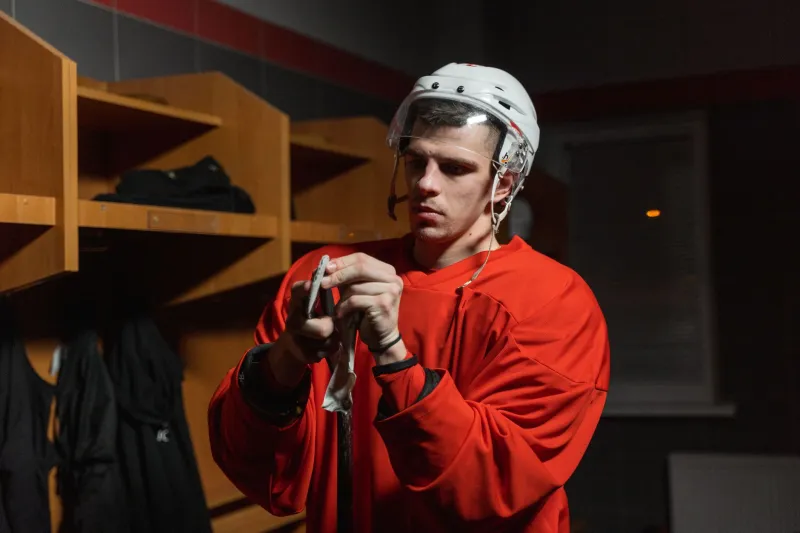
Walk into the Renzan facility on a game day and you'll notice something immediately. The energy is different. There's a rhythm to everything — the way guys move through the hallways, the specific order in which they tape their ankles, even the timing of when the music gets turned up. None of it is accidental. Every single piece of it has been earned, tested, and locked in over years of competition.
Superstitions in sports get a bad rap sometimes. People hear "lucky socks" and roll their eyes. But spend any real time around elite athletes and you start to understand something pretty quickly: rituals aren't about magic. They're about control. And in a sport where so much is unpredictable, the ability to control your own mental state before a game is everything.
The Locker Room Before the Locker Room
For most Renzan athletes, the ritual doesn't start when they arrive at the facility. It starts hours earlier — sometimes the night before.
Some guys eat the exact same pregame meal every single time. We're talking the same restaurant, the same order, the same table if they can get it. One athlete on the roster has eaten chicken parmesan from the same Italian spot before every home game for three straight seasons. His reasoning? "First time I had it, we won by 21. I'm not messing with that math."
Others have routines built around sleep. A specific alarm tone. A particular playlist for the drive in. One defender on the team won't listen to anything with lyrics on game day morning — only instrumentals. He says it keeps his mind clear and focused without someone else's words rattling around in his head.
It sounds almost obsessive. Honestly? That's kind of the point.
Left Foot First, Every Single Time
Once guys hit the locker room, the rituals get more specific — and more visible.
One of the most widespread superstitions across the Renzan roster is the "left foot first" rule when putting on cleats or game-day footwear. Nobody remembers exactly when it started or who started it, but somewhere along the way it became almost universal. Ask around and you'll get a dozen different explanations for why. The bottom line is that it's become part of the collective identity of the locker room, which matters more than the origin story.
Then there are the lucky items. Compression sleeves worn until they're practically threadbare. A particular pair of gloves that never gets washed during a win streak. Wristbands from old games. One guy has worn the same undershirt — washed, obviously, but the same one — for two full seasons. He's not giving it up anytime soon.
The coaching staff largely stays out of it. Unless a ritual is somehow disruptive or disrespectful, the culture at Renzan has always been to let athletes own their process. And that trust, frankly, pays off.
The Playlist Wars (And the Compromise That Unified the Locker Room)
If you want to see where individual rituals bump up against collective culture, look no further than the pregame music situation.
For years, the locker room playlist was a point of genuine contention. Different guys wanted different sounds — some wanted hard-hitting hip-hop, others wanted rock, a few wanted gospel or R&B. The compromise that eventually emerged is now one of the most beloved traditions in the entire program.
The playlist is split into three distinct phases. The first 20 minutes after arrival is low-key — mostly instrumental, chill stuff, the kind of music that lets guys ease in and get their heads right. The middle stretch transitions into whatever the team voted as the "season anthem" — one song chosen collectively at the start of every year that becomes the emotional anchor for the whole campaign. And the final stretch before taking the field? That's when it gets loud. Aggressive. Game-ready.
The structure itself has become a ritual. Athletes know exactly where they are mentally based on what's playing. It's a shared clock that doesn't need to be announced.
The Science Behind the Superstition
Here's the thing that's easy to miss when you're laughing at the guy who refuses to change his socks during a winning streak: a lot of this stuff actually works, just not for the reasons athletes think.
Sports psychologists have studied pregame rituals extensively, and the consensus is pretty consistent. The value isn't in the lucky charm itself — it's in the certainty and the sense of agency the ritual creates. When an athlete completes their full pregame routine without interruption, they arrive at game time feeling prepared, centered, and in control. Their nervous system is calibrated. Their confidence is primed.
Renzan's strength and conditioning staff has actually leaned into this in recent years, working with athletes to build out routines that blend evidence-based preparation with the personal rituals athletes already trust. Dynamic warmups get timed to specific moments in the music. Visualization exercises are layered in during the quieter early phase of the locker room. The superstitions don't get mocked — they get optimized.
The result is a pregame environment that feels personal and collective at the same time. Every guy is doing his own thing, but all of those individual things are happening inside a shared structure that the whole team believes in.
When the Ritual Breaks Down
Ask any Renzan athlete about a game where something went sideways with their routine and you'll hear some version of the same story: it threw them off, at least mentally, for a little while.
Missed flights, late arrivals, forgotten gear — these things happen in sports. What separates experienced athletes from younger ones is often the ability to reset when the routine gets disrupted. A veteran on the Renzan roster put it well: "At some point you realize the ritual isn't magic. It's just your brain getting ready. If you miss a step, you can still get your brain ready another way. But it takes a while to learn that."
That self-awareness is something coaches actively try to build. The goal isn't to create athletes who fall apart when their lucky socks are in the wash. It's to build athletes who understand why their rituals work, so they can adapt when necessary.
More Than Superstition — It's Identity
At the end of the day, the rituals and superstitions inside the Renzan locker room are about something bigger than winning streaks or lucky charms. They're about identity.
When a new player joins the program and starts picking up the traditions — left foot first, the three-phase playlist, the pregame meal habits — they're not just following rules. They're becoming part of something. They're buying into a culture that has produced results and carries history.
That's the real power of a locker room ritual. It's not the charm. It's the community built around it.
And at Renzan, that community is pretty hard to beat.