Coaching Trees and Championship Roots: How the Renzan Alumni Are Shaping the Next Wave
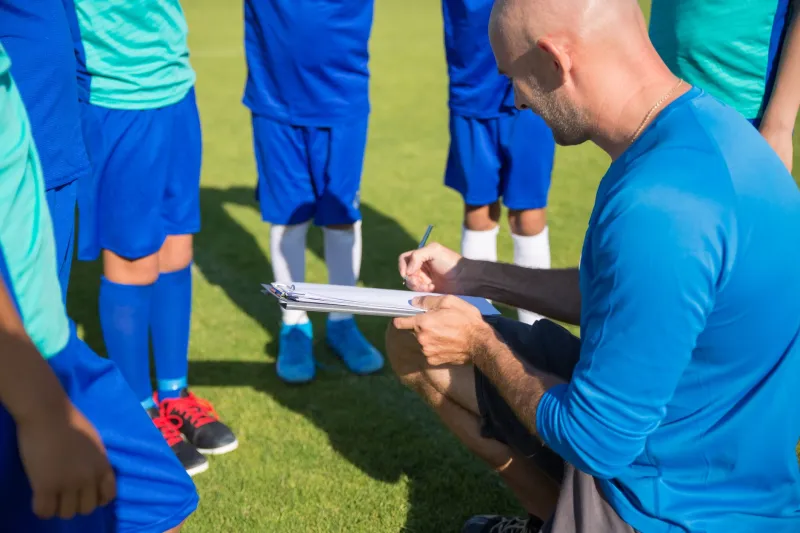
There's a saying that floats around Renzan Nation: the best players don't just win — they teach. And if you look at what's been happening in the years since some of the program's most celebrated athletes hung up their jerseys, you'll see that saying playing out in real time. Former Renzan athletes aren't fading into the background after their playing days. They're showing up on sidelines, whiteboards in hand, carrying everything they absorbed in this program straight into the next generation.
It's become something of a quiet competitive advantage — one that doesn't show up in a stat sheet but absolutely shows up in results.
The Locker Room Was Always a Classroom
Ask any Renzan alum what they remember most about their time with the team, and they'll probably skip past the highlight-reel moments. They'll tell you about the early-morning film sessions. The way veterans held rookies accountable without embarrassing them. The culture of honest feedback that made everybody better, even when it was uncomfortable to hear.
"You didn't realize it at the time, but you were being coached on how to coach," says Marcus Elridge, who spent four years as a core contributor before transitioning into an assistant coaching role with a regional youth program. "The standards that were set for us — the way accountability was modeled by the guys ahead of us — I bring all of that into my practice every single week."
Elridge is one of a growing number of Renzan alumni who've made the leap from athlete to mentor. And the transition, while not always easy, has been shaped almost entirely by the values they absorbed while competing.
What the Renzan System Actually Teaches
It's easy to look at a winning program and credit talent. But the coaches-turned-coaches will tell you it goes much deeper than that. The Renzan approach has always emphasized process over outcome — the idea that if you build the right habits, develop the right mindset, and hold each other to a genuine standard, results follow naturally.
That philosophy translates surprisingly well to a coaching context.
"When I was playing, I used to get frustrated when the outcome didn't match the effort I put in," says Dani Reyes, a former standout who now runs a developmental program for high school athletes in the Midwest. "But Renzan taught me to zoom out. To trust the process. Now I say that to my kids all the time — and I mean it, because I lived it."
Reyes points to the team's emphasis on mental resilience as the piece she leans on most. In a culture that often tells young athletes winning is everything, she's found that teaching them to compete through adversity — the Renzan way — actually produces more wins in the long run. The irony isn't lost on her.
The Pipeline Isn't an Accident
What makes this player-to-coach pipeline notable is that it didn't happen by chance. Renzan has long invested in creating an environment where leadership development is baked into the experience. Veterans mentor younger athletes not because they're told to, but because it's the culture. That peer-driven development model ends up producing people who are naturally wired to teach.
"We were expected to lead before we had a title that said 'leader,'" explains Jordan Watts, who captained the team before moving into a full-time coaching role. "By the time you're done here, you've already been coaching for years — you just didn't call it that."
Watts now runs a competitive travel program and credits the Renzan framework with giving him a ready-made philosophy before he ever wrote his first practice plan. The language he uses with his athletes, the structure of his sessions, even the way he delivers criticism — it's all rooted in what he experienced as a player.
Why This Matters for Renzan Nation
For fans, this coaching pipeline represents something bigger than individual success stories. It's evidence that the program's impact doesn't stop at the final whistle. Every time a Renzan alum stands on a sideline somewhere in America and teaches a young athlete how to compete with integrity, how to push through a tough moment, how to be a teammate — the Renzan legacy grows.
And there's a practical benefit, too. As these coaches build their own reputations, they naturally create pathways back to the program. Young athletes who come up under Renzan-trained coaches already speak the language. They already understand the culture. When they arrive at the next level, the transition is smoother.
It's a feedback loop that keeps the program's standards high across generations.
The Work Is Just Starting
None of the coaches interviewed for this piece would tell you they've figured it all out. They're learning on the job, just like they once learned on the field. But they all share a common thread — a belief that the values instilled in them during their Renzan years aren't just useful in sports. They're useful in life.
"I want my athletes to look back in ten years and feel the way I feel about my time with Renzan," Dani Reyes says. "Like it fundamentally changed how they approach hard things. That's the goal."
From locker room conversations to practice plans, from championship runs to coaching certifications — the Renzan way keeps moving forward. And the legends? They're not just living on highlight reels. They're out there building the next chapter, one practice at a time.