Not Everyone Makes It Past the Front Door: The Renzan Code That Filters Champions from the Rest
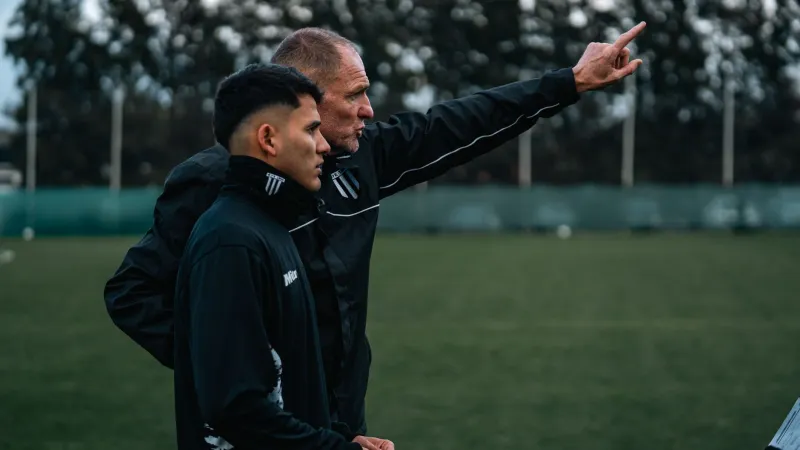
There's a moment that happens in nearly every Renzan recruiting conversation — sometimes early, sometimes late — where the coaching staff quietly makes a decision that has nothing to do with athletic ability. It's not about speed scores or vertical jump. It's not about a highlight reel or a stat line from junior year. It's about something harder to measure and far more important to this program than raw talent.
It's about fit.
And at Renzan, fit isn't a soft concept. It's a filter — a rigorous, intentional process built over years of watching the right people thrive and the wrong people flame out. The coaches here will tell you plainly: they've passed on elite athletes who didn't belong, and they've taken calculated bets on under-recruited prospects who embodied everything this program values. More often than not, those bets pay off.
So what exactly is the Renzan standard? Let's get into it.
It Starts Before Anyone Steps on Campus
Long before a prospect visits the facility, the Renzan staff is already building a picture. They're not just watching film — they're watching how a kid plays. Do they point fingers after a turnover, or do they jog back into position and reset? Do they celebrate teammates' success, or do they look away? Are they the first one in the layup line or the last?
"We can teach technique. We can build strength. We can refine a skill set," one Renzan assistant coach explained during a recent sit-down. "What we can't teach is the way a person is wired. So we spend a lot of time trying to understand that wiring before we ever extend an offer."
The staff reaches out to high school coaches, AAU directors, teachers, and — crucially — teammates. Not to check boxes on a compliance form, but to ask genuine questions. What's this kid like when the team is down twenty in the fourth quarter? What are they like on the bus ride home after a loss? How do they treat the managers and the equipment staff?
Those conversations reveal more about a prospect than any combine number ever could.
The Three Pillars Nobody Talks About Publicly
If you ask around the Renzan program long enough, three themes keep surfacing — not as official policy, but as the quiet consensus of everyone who's been here long enough to see the pattern.
Accountability without excuses. At Renzan, the culture around personal responsibility is real and it runs deep. Players here talk about being held to a standard that doesn't bend based on circumstance. Show up late? Own it. Make a mental error in a big moment? Own it. The staff isn't looking for perfection — they're looking for people who don't hide from their mistakes. That kind of accountability is contagious, and it's what makes this locker room different.
Coachability over confidence. There's a difference between a competitor who believes in themselves and an athlete who's convinced they already know everything. Renzan wants the former, badly. The latter is a culture killer. Veteran players here describe it as a willingness to be uncomfortable — to take hard feedback in a film session and come back the next day with a different approach instead of a defensive posture. That's a rare quality, and the staff has learned to identify it quickly.
Investment in the team's identity. This one is subtle but maybe the most important. Renzan isn't looking for athletes who see this program as a stop on the way to something else. They want people who are genuinely drawn to what this place is building — the history, the standard, the community around it. That's not about being naive to future opportunities. It's about showing up every day fully committed to this team, this season, this locker room.
What Veteran Players See That Coaches Sometimes Miss
One of the more interesting wrinkles in Renzan's vetting process is the role veteran players play in it. When prospects come on official visits, they're not just getting a tour — they're being observed by the guys who already live inside this culture every day.
"I remember when I was being recruited here, one of the older guys pulled me aside at dinner and just asked me real questions," said a current team captain. "Not the stuff the coaches ask. He wanted to know what I was about. What I was running toward, not just what I was running from. That conversation mattered to me. And now I'm the one having it with the next group coming in."
That informal peer evaluation carries real weight in the program. The coaching staff listens to their veterans. If a respected locker room leader raises a concern about a prospect's vibe during a visit — something they can't quite quantify but can absolutely feel — that gets taken seriously. The players here have earned the right to help protect what they've built.
When the Right Person Shows Up, Everyone Knows It
For all the structure and intentionality behind Renzan's vetting process, there's also a less scientific element to it — the feeling in the room when someone walks through the door and just gets it immediately.
Coaches describe it as a kind of recognition. The prospect who asks the right questions during a facility tour. The one who introduces themselves to every staff member in the room, not just the head coach. The one who, when they sit down to watch film with the staff, leans forward instead of leaning back.
"You can feel it," one position coach said. "There are kids who walk in here and they're already Renzan. They don't know it yet, but they are. And then there are kids who would never be Renzan no matter how long they were here. We've learned to tell the difference pretty fast."
The Cost of Getting It Wrong — And Why They're Careful
Renzan's track record speaks for itself, but the staff is quick to acknowledge that they've made mistakes. They've brought in talent that disrupted the locker room. They've seen promising athletes wash out not because of ability, but because they couldn't align with the culture. Each of those experiences sharpened the process.
Because here's the thing about a program built on values: it only works if the values are actually enforced. One person who doesn't buy in — who undermines accountability, who deflects instead of owning, who treats teammates as competition instead of family — can do real damage. The Renzan standard exists not to be exclusive for the sake of it, but to protect something genuinely worth protecting.
The program isn't for everyone. The coaches will tell you that directly, without apology.
But for the people it is for? There's no place like it.