From Our Locker Room to Theirs: How Renzan DNA Travels the Country
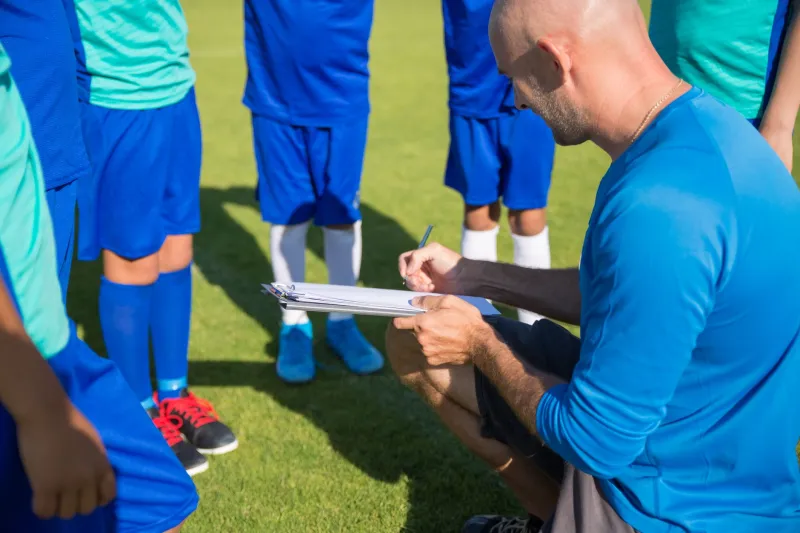
There's a moment every Renzan athlete eventually faces — the last time they walk out of this building as a member of the program. Gear packed, chapter closed. But something interesting happens after that. They keep showing up, just somewhere else. In different uniforms, different cities, different roles. And the people around them start noticing something.
Call it the Renzan Effect.
It's not a marketing slogan. It's what coaches in programs across the country are describing when they watch a Renzan alum walk into their facility for the first time and immediately raise the standard of the room — without saying a single word about where they came from.
The Culture Doesn't Clock Out
Ask anyone who's been through this program what they actually took with them, and you'll get a pretty consistent answer. It's not the trophies. It's not the highlight reels. It's the way they approach a problem, a practice, a hard conversation.
Former Renzan athlete Marcus Dillard, now an assistant coach at a Division I program in the Southeast, put it plainly: "I didn't realize how different my expectations were until I got around guys who hadn't gone through something like Renzan. The standard I held myself to — I just assumed that was normal. It's not normal. That's Renzan."
That gap between what Renzan athletes consider baseline and what the rest of the world calls exceptional? That's the effect in action.
Dillard now runs film sessions the same way he learned to here. He holds accountability circles the same way. He challenges his athletes the same way he was challenged. The language is different. The sport might even be different. But the foundation? Identical.
What Coaches on the Outside Are Saying
Head coaches who've brought Renzan alumni onto their staffs — either as players or coaches — tend to describe a similar experience. There's an adjustment period, but not the kind you'd expect. It's not the Renzan alum adjusting to the new environment. It's the environment adjusting to them.
"You notice it in the little things first," said one collegiate strength coach who requested anonymity. "They're early. They're asking better questions. They're not waiting to be told what to do. And then the other guys start watching them and something shifts. That's contagious. That's culture spreading."
That contagion isn't accidental. It's the direct result of years of intentional environment-building inside Renzan's walls. When you train in a place where standards are non-negotiable and accountability is a daily practice, those things become part of how you operate — not just while you're here, but everywhere you go afterward.
The Coaching Tree Takes Root
Renzan's alumni network in coaching is growing fast. From high school programs in the Midwest to professional development leagues on the coasts, former Renzan athletes are stepping into leadership roles and bringing the blueprint with them.
Jasmine Okafor played here four years ago. She's now the head coach of a competitive club program in the Pacific Northwest, and she's built her entire operation around principles she absorbed during her time with Renzan.
"I think about what made this place work," she said. "It wasn't one big thing. It was a thousand small things done consistently. The way we handled losing. The way we handled winning. The way we held each other to something bigger than individual stats. I just replicated that. And it works because it's real — it's not a philosophy I read in a book. I lived it."
Okafor's program has developed a reputation in her region for producing athletes who are mentally tough, coachable, and ready for the next level. Sound familiar?
In the Pros, It Shows Up Differently
For Renzan athletes who've made it to professional leagues, the effect shows up in a different way. Pro environments are crowded with talent, but they're not always crowded with leadership. That's where the Renzan-trained athlete tends to stand out.
Derek Fontaine, who spent three seasons in a professional league after his time here, talked about how his Renzan experience shaped his identity as a veteran in that locker room.
"When you're the new guy in a pro setting, there's a temptation to just keep your head down and survive," he said. "But Renzan taught me that you don't earn respect by being invisible. You earn it by being reliable, being honest, and pushing the people around you to be better. I didn't abandon that just because I turned pro. I leaned into it harder."
Fontaine became known in his league as a guy who made teammates better — not just through talent but through presence. Coaches sought him out for mentorship roles even before his playing days were done. That's not a coincidence. That's a pattern.
The Ripple Effect Is Real
What makes the Renzan Effect worth talking about isn't just the individual success stories. It's the multiplication. Every athlete who leaves this program and goes somewhere else brings the culture with them. And if they're in a leadership role — coaching, captaining, mentoring — they spread it further.
One Renzan alum coaches two athletes who now coach. Another runs a youth program that's sent kids to college on scholarship. The reach of what gets built inside these walls doesn't stop at the door. It follows people home, across state lines, into gyms and fields and locker rooms that have never heard of us.
But they've felt us. They've seen what a Renzan-trained person looks like in action, and they've been changed by it.
Why It Matters to Us
At Team Renzan, we talk a lot about what happens inside the program. The grind. The growth. The standards. But the real measure of any program isn't just what it produces during the season — it's what it sends out into the world when the season's over.
By that measure, we're doing something right.
The athletes who've come through here aren't just winning in their own lives. They're changing the culture of the spaces they enter. They're building programs, leading locker rooms, and mentoring the next generation with the same values that shaped them.
That's not just a good story. That's the whole point.
Where champions are made and legends live — and then go make more.